
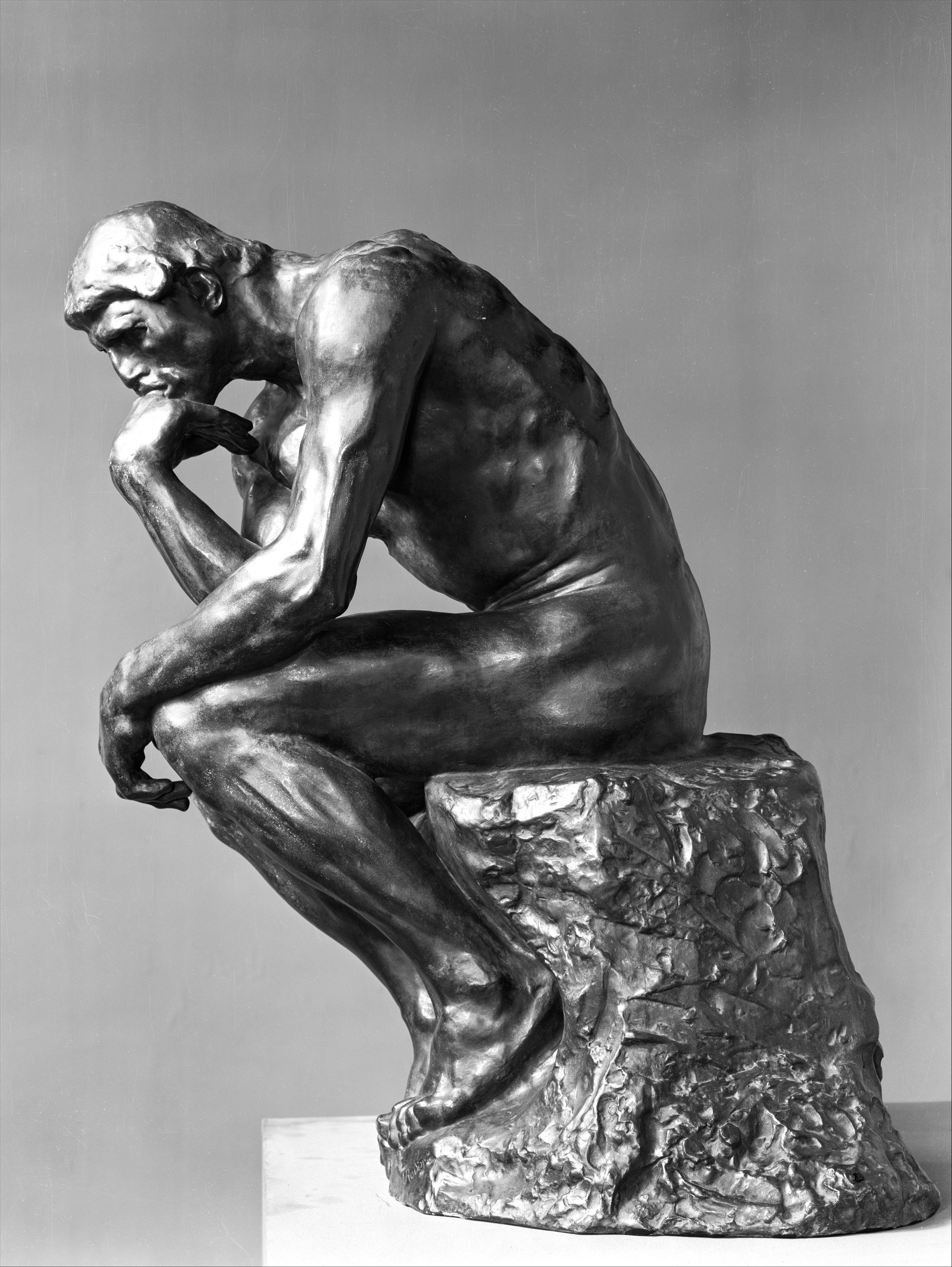
Holly Springs, NC, Jan. 15, 2026 — People say it all the time now. “No one thinks critically anymore.” It comes up in conversations about politics, media, schools, and even everyday interactions. The frustration is real. But the explanation usually misses the mark.
This is not a story about people suddenly becoming less capable of thinking. It is a story about how, over time, we changed the conditions that once made critical thinking normal, useful, and worthwhile.
Critical thinking is not a personality trait. It is a practice. As with any practice, it depends on the surrounding environment.
Start with distraction. The explosion of on-demand entertainment, streaming shows, short-form video, and endless feeds has made passive consumption the default mental state. These formats are designed to reduce friction, suspend disbelief, and deliver emotional payoff with minimal effort. Over time, that conditions people to receive rather than interrogate information. Reflection loses out to immersion.
At the same time, social media has reorganized how information is encountered. Algorithms prioritize engagement, not challenge. People increasingly see material that affirms what they already believe, reinforcing certainty rather than curiosity. The goal subtly shifts from understanding the world to defending a position within it.
On top of that, add the rise of sophisticated marketing and political persuasion. Modern messaging is less about argument and more about emotional triggers, fear, outrage, belonging, and identity. When communication is designed to bypass reasoning rather than engage it, people adapt. Analysis becomes optional. Reaction becomes sufficient.
Ironically, the abundance of information has not solved this problem. With unlimited sources available instantly, research often becomes an exercise in confirmation. It is easier to locate material that supports a conclusion than to wrestle with complexity or uncertainty. The appearance of rigor replaces the discipline of inquiry.
Time matters, too. Many people live in a constant state of cognitive scarcity, financial pressure, work demands, family obligations, and nonstop connectivity. That keeps the brain in survival mode. Critical thinking requires slack, time to pause, compare, and reconsider. When everything feels urgent, shortcuts take over.
These individual pressures are reinforced by broader structural changes. Shared factual baselines have weakened as trust in institutions, media, government, and education has fractured. Without common reference points, critical thinking loses its social function. Conclusions cannot be resolved, only asserted.
Education has not helped. Schools increasingly emphasize standardized outcomes, coverage, and correct answers over reasoning processes and intellectual risk-taking. Many people were taught to comply rather than to question.
Polarization then seals the loop. When beliefs become identity markers, thinking critically carries social risk. Changing one’s mind can feel like betrayal. Complexity is treated as weakness. Under those conditions, certainty is safer than honesty.
Even technology contributes. Search engines, feeds, and now AI tools handle recall, summarization, and synthesis for us. That boosts efficiency but also reduces the frequency with which people practice the cognitive work required for critical thinking.
Finally, many of the spaces that once supported slow, disagreement-tolerant conversation, local civic groups, community forums, even newsrooms and classrooms, have thinned or disappeared. Online substitutes reward speed and performance, not deliberation.
Seen this way, critical thinking did not disappear. It was crowded out.
We have built systems that reward reaction over reflection, alignment over analysis, and speed over depth. In that environment, careful thinking does not just cost more. It often pays less.
The better question, then, is not why people stopped thinking critically. It is why we made it so hard and so unrewarding to do so.
About the Author
Christian A. Hendricks is the publisher and founder of Holly Springs Update, a local news publication covering Holly Springs, NC, and its surrounding area. From time to time, he shares his views on national, regional, and state issues. He can be reached via email at christian.hendricks@hollyspringsupdate.com.