
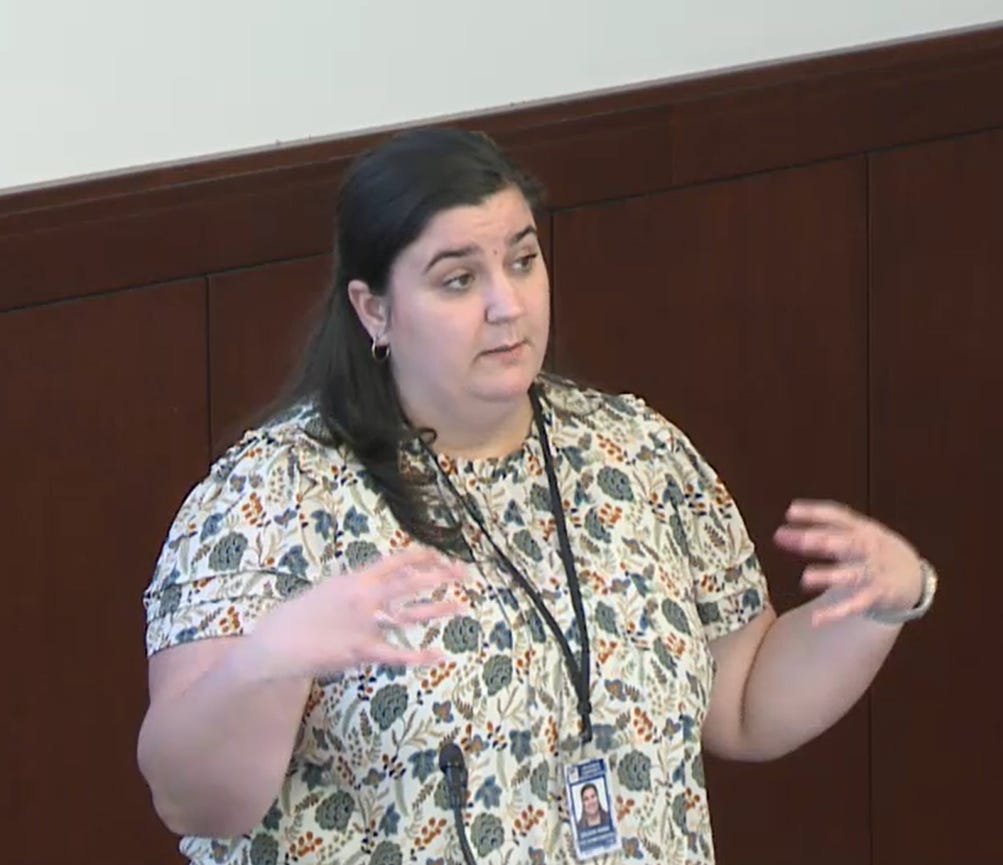
Raleigh, NC, Apr. 15, 2026 — Wake County is advancing a new homelessness strategy built on a simple but consequential finding: it is far less expensive to house people quickly than to manage homelessness over time. The initiative, presented during an April 13th County Commissioners’ work session, outlines a two-year surge effort to move more than 1,400 households into stable housing while restructuring the system's response to homelessness.
The approach is grounded in a systemwide analysis conducted through the Continuum of Care (CoC), which evaluated shelter capacity, housing inventory, and service gaps. That analysis found that the cost of homelessness can reach as high as $96,000 per person annually, while providing housing and supportive services averages closer to $24,000 per year. As one slide put it directly, “Ending homelessness is within reach.”
At the same time, officials acknowledged that despite existing investments, “homelessness is increasing, and more resources are needed to address the crisis through targeted, strategic investment.”
A Two-Year Surge With Specific Targets
The initiative is structured in two phases, beginning with a concentrated push from 2026 through 2027. During that period, the county and its partners aim to house approximately 400 unsheltered individuals directly, assist another 1,000 households through rapid-resolution strategies, and provide targeted support to a complex-care population estimated at more than 400 individuals.
The direct-to-housing component focuses on people currently living in encampments or other unsheltered conditions, prioritizing immediate housing placement over prolonged stays in shelters. Rapid resolution targets individuals entering the system for the first time, using flexible funding to secure housing quickly through rent assistance, deposits, or short-term support. A third component focuses on individuals with significant medical or behavioral health needs through coordinated care.
Together, these approaches are designed to reduce the number of people entering and remaining in the system while shortening the overall duration of homelessness.
Funding Strategy and a $10 Million Gap
The plan carries an estimated cost of $22 million, with approximately $12 million already identified through a mix of local, state, and federal resources. That leaves a remaining gap of roughly $10 million, which officials expect to fill through a combination of public and private funding.

Rather than requiring all funds up front, the initiative is structured to scale over time. Spending will gradually ramp up as households are placed in housing, with the goal of closing the funding gap by the end of 2026. The effort is being positioned as a public-private partnership, with the CoC board leading fundraising efforts and engaging philanthropic and healthcare partners.
To support that work, the county and its partners are developing a formal campaign structure that includes branding, communication tools, and a funding mechanism, likely managed outside county government, to enable faster deployment of resources.
Local Context and the Reality of Housing Supply
While the strategy draws from successful models in cities like Dallas, Houston, Tulsa, and New Orleans, local officials made clear that Wake County faces a critical constraint: housing availability. At least 80 encampments have been identified across the county, but moving individuals into housing depends on both the availability of units and landlord participation.
Commissioners repeatedly raised concerns about whether sufficient housing stock exists to support the initiative, particularly as federal funding for housing programs remains uncertain. The plan relies heavily on existing units in the private market, supported by rental assistance, landlord incentives, and flexible funding to enable placements.
That tension, between an aggressive timeline and limited housing supply, was a central theme of the discussion, with officials emphasizing that housing production, preservation, and partnerships with municipalities will be essential to success.
What Happens Next
The county is targeting a formal launch in July 2026, though elements of the program may begin earlier as funding and operational structures are finalized. Between now and then, staff will standardize program models, identify priority encampments, and build the infrastructure needed to deploy funds and track outcomes.
If successful, the initiative could significantly reduce unsheltered homelessness while lowering long-term public costs. But its success will depend on closing the remaining funding gap, securing housing units, and maintaining coordination across a complex network of public agencies, nonprofit providers, and private partners.