
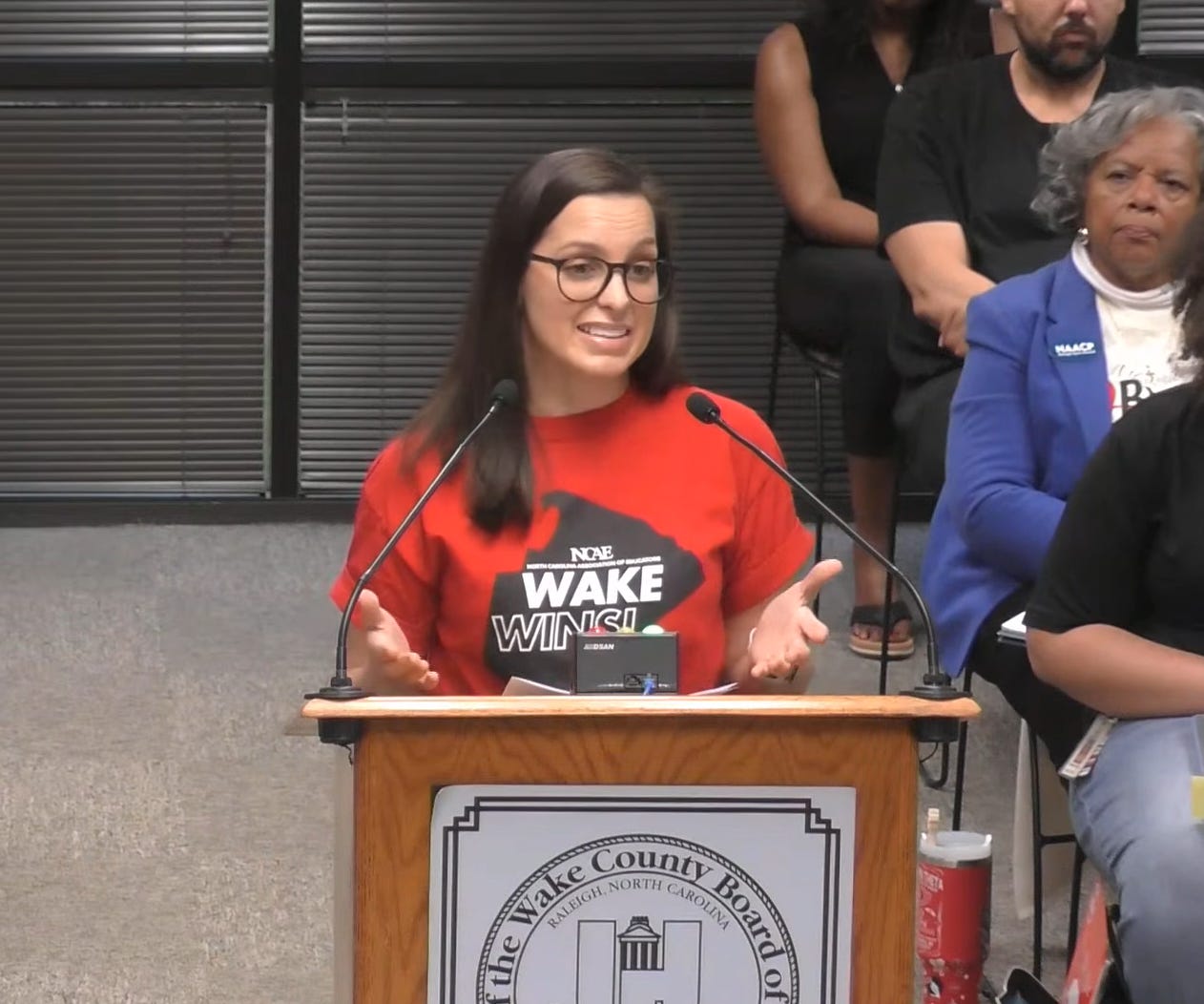
Cary, NC, Apr. 8, 2026 — Public comments following the Wake County Public School System’s 2026–27 budget presentation brought a consistent set of concerns to the Board of Education. Speakers focused on staffing shortages, employee compensation, and the potential impact of budget decisions on classroom support and student services. While the proposed budget outlines a path forward, the comments highlighted where those decisions are already being felt inside schools.
Staffing Strain Inside Schools
Staffing pressure emerged as one of the most immediate concerns raised during public comments. Speakers described classrooms and support roles operating under strain, with vacancies and increased workload affecting daily operations. Comments reflected the challenge of maintaining instructional quality while absorbing additional responsibilities across both teaching and support positions.
The concern extended beyond individual roles and into overall school operations. Speakers pointed to the difficulty of sustaining current service levels when positions remain unfilled and when existing staff are required to take on additional duties to compensate.
Compensation and Retention Concerns
Compensation was closely tied to those staffing challenges. Multiple speakers emphasized that retaining teachers and support staff depends on offering competitive pay, particularly in a labor market where employees have other options.
“If we want to retain quality educators, we have to pay them competitively,” one commenter told the board.
Speakers connected compensation directly to retention and stability. The concern was not limited to attracting new employees, but also keeping experienced staff in place, as turnover can disrupt classroom continuity and affect student outcomes.
Special Education as a Priority Area
Special education services were raised as a specific and sensitive area during the public comment period. Speakers emphasized the importance of maintaining staffing levels and ensuring that students who rely on specialized support continue to receive it.
“Special education is not an area where we can afford to lose positions,” one speaker said.
The comments framed special education as a core service that requires consistent staffing and support. Concerns centered on the potential impact of even small reductions on students who depend on individualized services.
Classroom-Level Impact
Several speakers focused on how budget decisions translate directly into classroom experiences. Comments highlighted the importance of maintaining instructional support, including both teaching roles and support staff who contribute to daily learning environments.
The concern was framed in practical terms, with speakers pointing to how reductions in staffing or resources could affect instructional quality and the overall student experience. The emphasis remained on ensuring that students continue to receive the support needed for effective learning.
Questions Around Budget Priorities
Underlying many of the comments was a broader concern about how budget priorities are set. Speakers emphasized the importance of protecting student-facing roles and services, while expressing concern about where reductions might occur.
These comments reflected a broader tension between financial constraints and the need to maintain core services. While the district faces structural budget pressures, speakers made clear that decisions about where to reduce spending carry direct consequences for students and staff.
What It Signals Moving Forward
The public comments did not introduce new budget proposals, but they reinforced the areas of greatest sensitivity as the process continues. Staffing, compensation, and student support services emerged as the most consistent concerns, aligning with the pressures outlined in the proposed budget.
As the Board of Education continues its review, these themes are likely to remain central to the discussion. The feedback provided during public comments offers a direct view into how budget decisions are being experienced at the school level and where stakeholders are seeking clarity or reconsideration.