
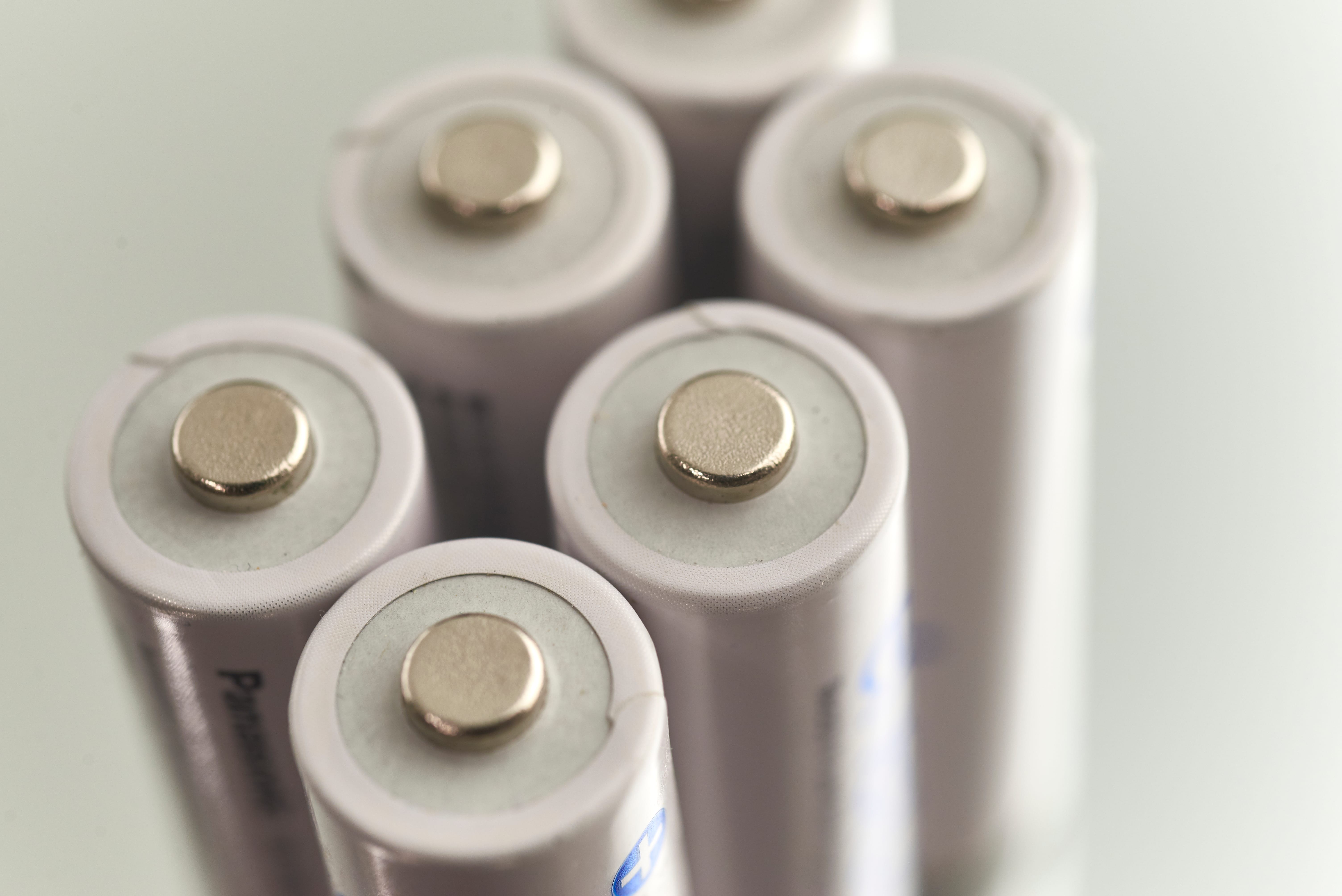
Holly Springs, NC, Nov. 1, 2026 — North Carolina will prohibit the disposal of lithium-ion batteries in landfills and permitted incinerators beginning Dec. 1st, 2026, a change affecting rechargeable batteries found in everyday items from phones and tablets to cordless vacuums and power tools. Wake County is urging residents to prepare now by keeping those batteries out of household trash and recycling bins and taking them to designated collection sites.
The change comes as the county deals with the cost of battery fires at its own waste facilities. A January 2025 fire damaged the North Wake Household Hazardous Waste facility, with repairs estimated at about $1.6 million. Because hazardous materials cannot be stored at the damaged facility, the county says state permit requirements have limited collections there to one day a week.
“Lithium-ion batteries have been the leading cause of fires at Wake County’s solid waste facilities, including the fire that damaged part of the North Wake Household Hazardous Waste facility just last year,” Wake County Commissioner Shinica Thomas said in an October announcement. “We want to not only get people prepared for the ban of these items at our facilities, but also teach them how to protect themselves, their property and others from potential harm.”
The county reported averaging at least one fire at its solid waste facilities every three months over the preceding year. Batteries can ignite when crushed or damaged during collection and processing, setting nearby waste or recyclable materials on fire and threatening trucks, equipment and facilities.
Similar problems have disrupted waste operations elsewhere. In California’s San Francisco Peninsula, a 2016 fire at a RethinkWaste recycling facility shut it down for four months and led to 80 layoffs, according to executive director Joe La Mariana, as reported by NBC Bay Area. La Mariana said the agency continued to respond to fires at the facility monthly, with lithium-ion batteries remaining its principal fire threat.
The disposal restrictions were adopted in Section 19 of North Carolina’s Regulatory Reform Act of 2023, which added lithium-ion batteries to the materials prohibited from landfill disposal and disposal in permitted incinerators. The law specifically names lithium-ion batteries; it does not ban every type of household battery.
For residents, the county’s guidance is to use a separate battery collection site rather than either curbside bin. Batteries do not have to go to a county facility, but they should go to a business or organization equipped to handle them safely.
The South Wake Household Hazardous Waste facility at 6150 Old Smithfield Road in Apex accepts household batteries Monday through Saturday from 8 a.m. to 4 p.m. Other county options are North Wake, at 9037 Deponie Drive in Raleigh, open Saturdays from 8 a.m. to 4 p.m., and East Wake, at 5051 Wendell Blvd. in Wendell, open Saturdays and Sundays during the same hours.
Before bringing undamaged lithium-ion batteries for disposal, residents should cover both terminals with nonconductive tape or place each battery in its own plastic bag to prevent short circuits. The county prefers clear tape so workers can identify the battery chemistry; if you use another color, keep identifying markings such as “Li-ion” visible.
While awaiting drop-off, keep batteries in a cool, dry location away from children, in a nonmetal container left open without a lid. The county recommends dropping them off within six months.
Damaged batteries require different handling. Residents should not accumulate or store lithium batteries that are swollen, overheating, punctured, or leaking. The county says those batteries need special handling and should be brought promptly to a household hazardous waste facility.
Wake County’s facilities also accept other common household batteries, including alkaline, nickel-cadmium and nickel-metal hydride batteries. However, the county does not accept lithium or metal hydride vehicle or generator batteries from electric vehicles through this household program.
Residents can find battery preparation instructions at wake.gov/batteries and household hazardous waste facility information at wake.gov/hhw. The county’s facilities serve households; businesses and community collection organizers should seek appropriate collection options through The Battery Network.