
Holly Springs, NC, Ju. 5, 2026 — Eight years after Holly Springs voters approved a $40 million transportation bond, town leaders are beginning to shift their attention from finishing those projects to deciding what comes next. During a June 2nd transportation update, council members reviewed the status of major bond-funded projects, discussed emerging transportation priorities, and began looking ahead to the next generation of road, sidewalk, and greenway investments that could eventually be supported by a future transportation bond.
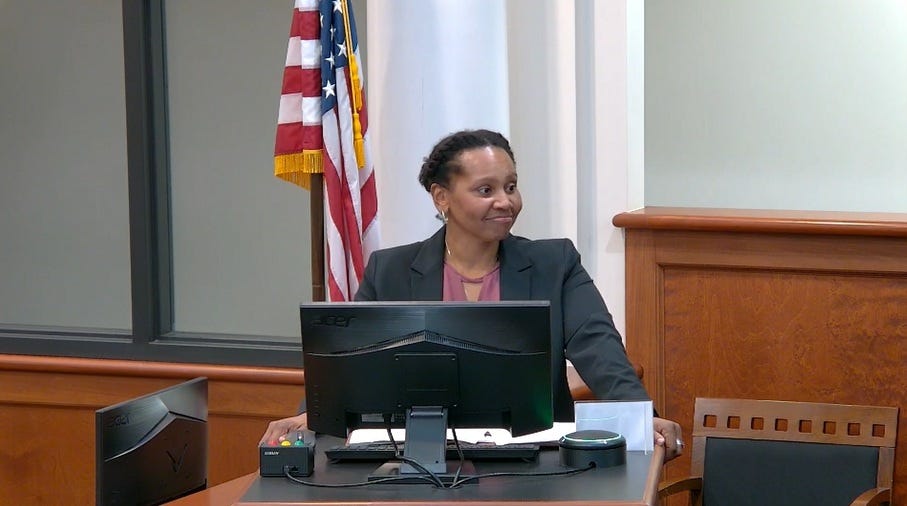
The presentation, delivered by the Assistant Director for Transportation, Carrie Mitchell, highlighted several projects funded through the 2018 bond program, including the Holly Springs Road East widening project, the Main Street right-turn lane, the NC 55 right-turn lane, and Avent Ferry downtown pedestrian improvements. Staff described the projects as long-planned investments intended to improve roadway capacity, traffic operations, pedestrian access, and overall mobility throughout town. With most of the original bond projects now complete or nearing completion, the conversation naturally turned toward what transportation needs remain on the horizon.

Several significant projects are already moving through design and permitting. Holly Springs Road Central has reached 100 percent design and is awaiting construction authorization while right-of-way acquisition continues. Holly Springs Road West has advanced through early public engagement and remains a key piece of the town’s long-term vision because it would complete a four-lane divided connection between Interstate 540 and the NC 55 Bypass. Design work is also progressing on Avent Ferry Road Phase 2, while the Main Street Sidewalk Connection and Utley Creek Greenway Phase II continue moving toward construction. Staff also outlined upcoming pedestrian safety projects and future street improvements outside the current Community Investment Plan.
Council members spent much of their discussion focused on connectivity and traffic flow, particularly along Rouse Road, where multiple developments are expected to contribute to roadway improvements over time. One council member noted that closing the remaining gap of roughly 800 feet near Castle Road could significantly improve traffic flow through the corridor and suggested that staff evaluate the corridor as a whole rather than viewing each project individually. The discussion reflected a broader concern about ensuring that individual development-related improvements ultimately connect into a cohesive transportation network.
The conversation also touched on the realities that follow major transportation projects. Council members asked whether additional signage may be needed to help drivers navigate the newer right-turn lane from Avent Ferry Road onto NC 55 and raised questions about maintenance responsibilities along recently improved road corridors. Staff said they would review those issues and continue monitoring conditions.
While the town is still completing portions of the 2018 bond program, discussion has already begun about future transportation funding. Budget documents presented later in the meeting note that prior bond projects are largely complete and reference the possibility of a future transportation bond referendum. The Town Manager’s budget message states that the council has begun exploring future transportation priorities and that the town’s financial advisor identified potential debt capacity of $100 million to $150 million between 2028 and 2032 using existing revenue sources. During the budget process, the council also endorsed beginning analysis and community engagement around transportation investments that could support a potential 2027 bond vote.
For Holly Springs, the transportation discussion has entered a new phase. Much of the work promised through the 2018 bond is now visible on the ground, but council members made clear that transportation planning is far from finished. As growth continues and new development pushes farther across town, the focus is increasingly shifting from what the last bond delivered to what projects residents may be asked to support next.