

Apex, NC, Feb. 16, 2026 — The town’s annual retreat isn’t where decisions are made. It’s where councilmembers absorb information, test ideas, and begin shaping the priorities that later appear on meeting agendas.
Over three days last week, those discussions pointed to a town increasingly focused on managing costs, infrastructure, and service demands associated with continued growth. No policy changes were adopted, but the sessions offered a detailed look at how growth is beginning to shape both the town’s long-term strategy and its daily operations.
Taken together, the retreat suggested Apex is entering a phase where expansion is no longer just about accommodating development, but about managing the systems and costs that come with it.
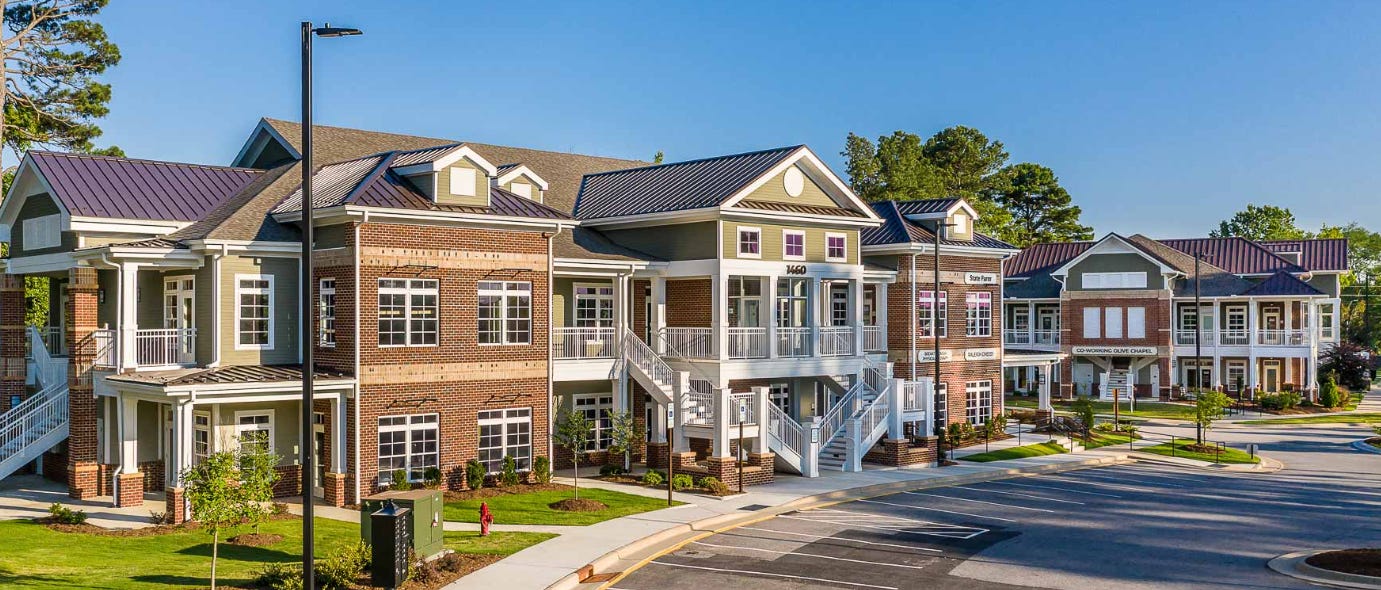
Housing policy is shifting from planning language to operational tools
One of the clearest signals from the retreat was that Apex is preparing to move beyond traditional zoning and incentives toward more direct involvement in housing affordability.
Staff outlined steps underway to establish a community land trust, including recruiting board members and preparing to issue a request for proposals for an administrator. The model would allow the town to retain ownership of land used for housing so homes built on it remain affordable over time, an approach increasingly used in fast-growing communities where land cost drives prices.
Officials also discussed the possibility of creating a local down-payment assistance layer that could be combined with Wake County and North Carolina Housing Finance Agency programs. The goal is to reduce the gap between what households can borrow and the price of available homes.
These discussions were framed against ongoing development, with staff citing growth along the US-64 corridor and around the Veridea area as examples shaping both housing demand and infrastructure needs.
Planning signals suggest how affordability efforts might begin
While no parcels were formally designated, staff referenced the possibility of placing a town-controlled tract of roughly thirteen acres into the future land trust as an initial demonstration project. The acreage was discussed as a planning concept rather than a confirmed action, but its inclusion suggested town leaders are already considering how the trust could begin operating once established.
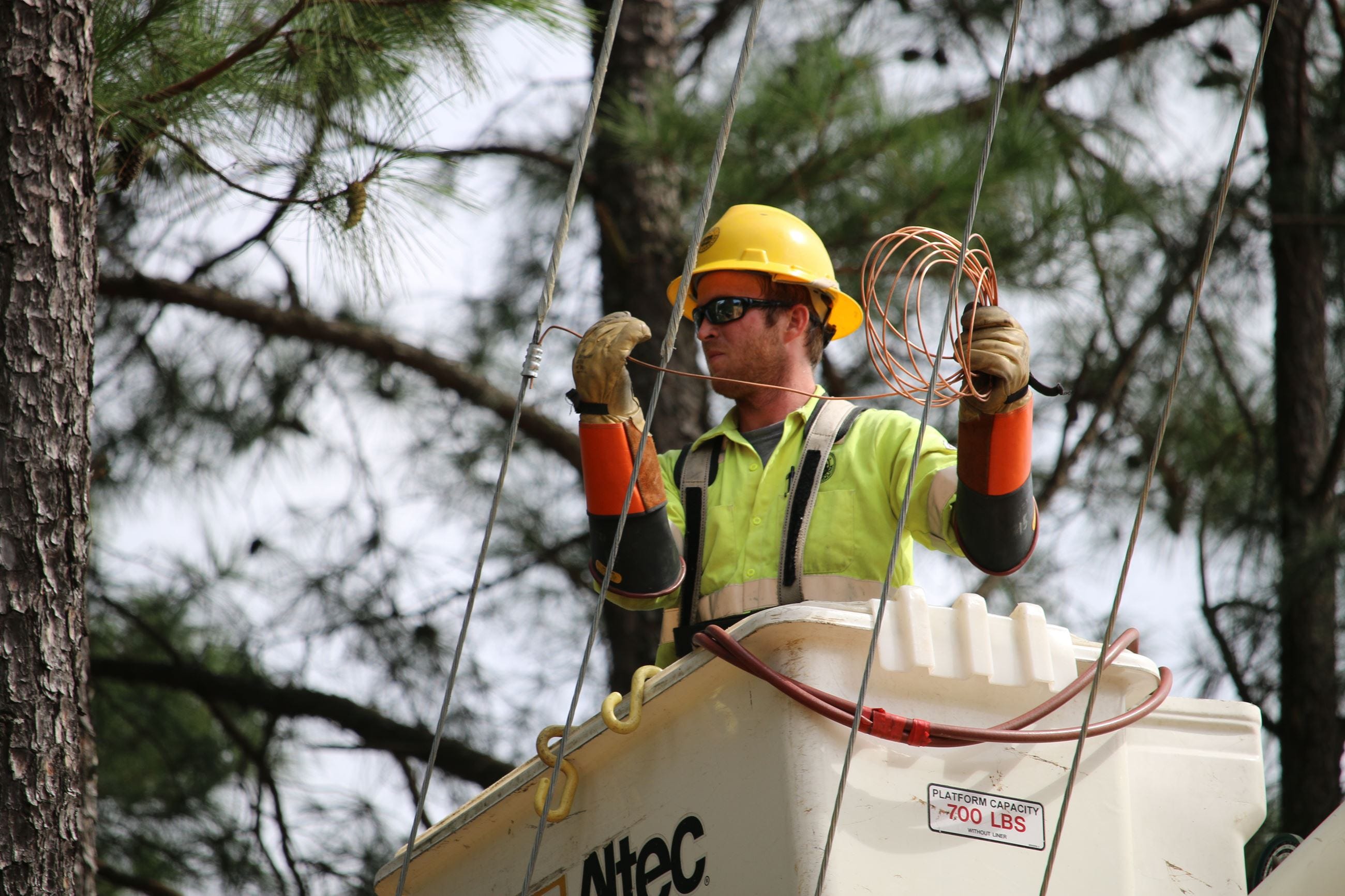
Infrastructure planning is being driven by projects already underway
Utility presentations reinforced that infrastructure planning is increasingly tied to development that has already been approved or is moving forward.
Staff described the need to expand transformer capacity and add substation infrastructure to support growth areas, including development associated with Veridea and projects along the US-64 corridor. These upgrades were framed as necessary to maintain reliability as new residential and commercial demand comes online.
Officials also reviewed longer-term demand-management strategies, including evaluating distributed solar integration, battery storage, and load-management programs. These measures were discussed primarily as ways to avoid costly system expansions where possible.
Planning discussions also hinted at the scale of future infrastructure needs
While no projects were announced, infrastructure discussions indicated that multiple substations or major capacity expansions may eventually be required if current development trends continue. Those references were framed as planning scenarios rather than commitments, but they illustrated the scale of infrastructure growth officials expect to manage.

Yard-waste service has become one of the town’s most complex operational systems
The retreat’s most detailed operational discussion focused on yard-waste collection, which staff described as increasingly complex as the town has grown.
A two-year internal review showed that demand spikes sharply during leaf season, requiring additional staffing, equipment, and hauling capacity for relatively short periods. Staff emphasized that managing those surges is now one of the largest drivers of program cost.
Disposal logistics were a major part of the conversation. About 78 percent of Apex’s yard waste is sent to transfer facilities, while roughly 22 percent is hauled directly to processors. Staff described growing pressure on disposal capacity and increasing haul distances. One brush disposal site is 18 miles away, and a round-trip can take about 45 minutes, while an alternative processor roughly 60 miles away would require a 90-minute trip to Harnett County.
Officials noted that counties across the region are focusing primarily on trash and recycling rather than organics, meaning municipalities like Apex must manage yard-waste solutions largely on their own.
Service funding and fairness questions are beginning to surface
Councilmembers also discussed how the yard-waste system is funded. The base fee of $7.83 per household supports not only cart collection but also seasonal leaf pickup, bulk waste collection, and storm debris response.
Some officials raised equity concerns, noting that residents in townhouse communities often pay for the service even when landscaping is handled by homeowner associations. Staff noted that allowing residents to opt out could increase costs for those who rely on the service, underscoring the tension between fairness and the need to maintain a financially sustainable universal program.
Staff also noted that the town has examined alternatives, including establishing waste-excess thresholds, evaluating zone-based collection models, and reviewing practices in communities like Cary, where the goal is typically two leaf sweeps before Christmas and a final sweep afterward. These examples were discussed as references rather than proposals.
Capital planning exercises showed how quickly projects compete for funding
A work session on capital prioritization asked councilmembers to consider how transportation improvements, facilities, and growth-related infrastructure might compete for limited funding capacity.
The exercise did not produce rankings, but it illustrated how quickly available capital could be consumed by competing needs. Staff indicated the results would be reviewed internally and brought back for further discussion.
Officials also discussed strengthening coordination with the town’s legislative advocates and state partners. Plans are underway to establish a workgroup that links departments and lobbyists to help Apex better track legislation and funding opportunities affecting local projects.
Staff emphasized that building relationships with grant programs before applications open often improves the chances of securing funding, signaling that outside funding is increasingly viewed as part of a long-term strategy.
What the retreat ultimately showed
The retreat offered no votes and few immediate actions. But it provided something residents rarely see: an early view of the pressures shaping future decisions, and the direction those conversations may take.
Housing discussions are moving toward tools that directly influence affordability. Infrastructure planning is closely tied to ongoing development. Service systems such as yard-waste collection are becoming more complex as the town expands. Capital projects are increasingly viewed through the lens of funding limits and sequencing.
For residents, the retreat offered a clearer view of what may surface on council agendas in the months ahead. The decisions themselves are still to come. But the retreat showed where they are beginning to take shape.
Note: Officials also examined the town’s facilities footprint and long-term service hubs, an issue that could shape how town services operate in the future. We’ll take a closer look at that in an upcoming story.
Retreat Documents (click to access):
Day 1 Agenda Packet (2/11/26)
Day 2 Agenda Packet (2/12/26)
Day 3 Agenda Packet (2/13/26)